


Norden
20. Mai 2026
Il prigioniero / Il sigillo
20. Mai 2026Norden
20. Mai 2026Il prigioniero / Il sigillo
20. Mai 2026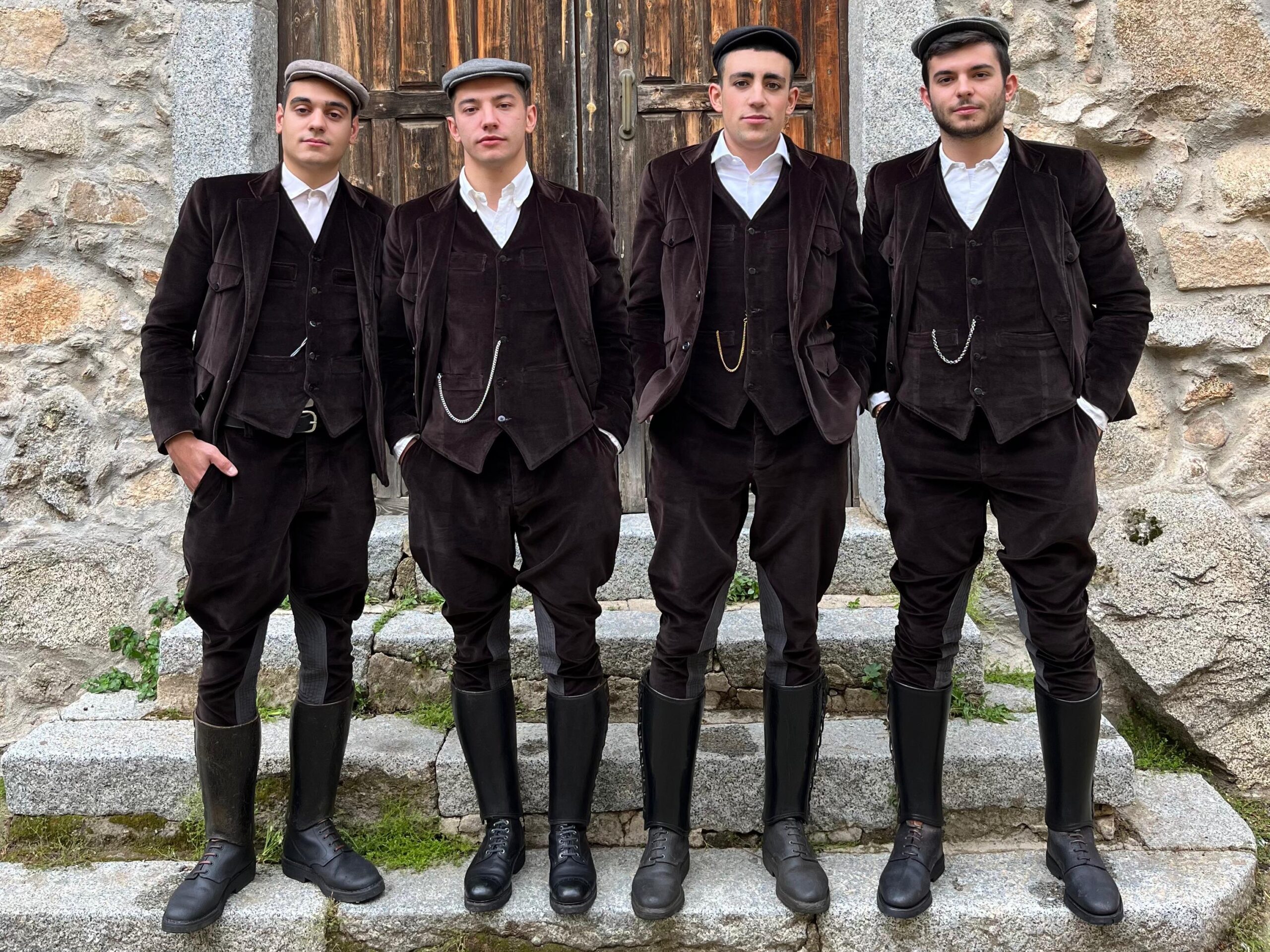
Cantu a Tenore aus Sardinien
Gesangstradition und UNESCO-Weltkulturerbe seit 2008
Eine archaische Form des mehrstimmigen Männergesangs, die typisch für die Barbagia-Region und Zentralsardinien ist und auf die Hirtenkultur und mündlich überlieferte Dichtkunst zurückgeht.
Sardinsko ljudsko petje ‚cantu a tenore‘
Tradicionalna glasba, na Unescovem seznam svetovne dediščine od leta 2008
Sardinian Canto a Tenore
Traditional music inscribed on the UNESCO Intangible Cultural Heritage list since 2008
Cantu a Tenore aus Sardinien
Gesangstradition und UNESCO-Weltkulturerbe seit 2008
S’Isterrita
Solitamente è il primo canto in ordine di esecuzione perché consente anche il riscaldamento delle quattro voci.
Običajno je to prva pesem na programu, saj služi tudi kot ogrevanje vseh štirih glasov. / Usually the first song performed, as it also allows the four singers to warm up their voices. / Normalerweise das erste Lied im Programm, da es auch das Aufwärmen der vier Stimmen ermöglicht.
Sa Oche ‘e note
Ovvero Voce di notte, canto che corrisponde all’antica serenata, eseguito dai giovani per corteggiare le proprie amate durante le ore tarde della giornata.
Naslov pomeni Glas v noči, saj so pesem v preteklosti mladeniči izvajali kot podoknico, s katero so v poznih nočnih urah dvorili svojim izbrankam. / Literally “Voice of the Night”, a song corresponding to the ancient serenade, traditionally performed by young men to court their beloved during the late hours of the day. / Bzw. Voce di notte, Stimme der Nacht, ein Lied, das der alten Serenade entspricht und von jungen Männern gesungen wurde, um ihre Geliebten in den späten Abendstunden zu umwerben.
Su Ballu seriu
Canto a ritmo di danza che si eseguiva e si esegue ancora oggi per far ballare le persone invece di utilizzare strumenti musicali.
Pesem z značilnim plesnim ritmom se je tako v preteklosti kot danes izvajala, da bi brez uporabe glasbil ljudi spodbudila k plesu. / A dance song traditionally performed—and still sung today—to accompany dancing in place of musical instruments. / Lied im Tanzrhythmus, das früher und auch heute noch gesungen wird, anstatt Musikinstrumente zu verwenden, um die Menschen zum Tanzen zu bringen.
Sas Grobbes de S’Annossata
Canto in onore della Madonna dell’Annunziata, alla quale è dedicato un Santuario situato nelle campagne di Bitti.
Pesem v čast Marijinega oznanjenja, ki mu je posvečena tudi cerkev v okolici mesta Bitti. / A song in honour of Our Lady of the Annunciation, to whom a sanctuary located in the countryside around Bitti is dedicated. / Lied zu Ehren der Maria der Verkündigung, der ein Wallfahrtsort in der Nähe von Bitti gewidmet ist.
Su Santu
Corrispondente al “Santo” cantato durante la messa.
Pesem z naslovom »Svetnik« se izvaja med bogoslužjem. / Corresponding to the “Sanctus” sung during Mass. / Entspricht dem „Sanctus“, das im Gottesdienst gesungen wird.
Su Ballu lestru
Altro canto a ritmo di danza con un andamento più veloce rispetto al precedente (lestru – veloce) cantato sempre per far ballare le persone con un ritmo diverso.
Še ena plesna pesem v drugačnem ritmu, ki z nekoliko hitrejšim tempom kot prejšnja (lestru – hitro) vabi ljudi k plesu. / A lively dance song with a faster tempo than the previous one (lestru meaning “fast”), traditionally sung to accompany dancing with a different rhythmic pattern. / Anderes Lied im Tanzrhythmus, der schneller ist als das vorherige (lestru – schnell) und ebenfalls gesungen wird, um die Menschen zum Tanzen zu bringen, allerdings mit einem anderen Rhythmus.
Sos Mutos
La voce solista intona il canto con delle poesie che possono riguardare diversi argomenti, e il “Tenore” (ovvero gli altri tre componenti) la segue.
Solistični glas začne z intonacijo pesmi, ki se lahko dotikajo različnih tem, ostali trije pevci pa mu sledijo. / The lead singer intones the song using verses that may address a variety of themes, while the tenore (the other three singers) follows and accompanies the melody. / Die Solostimme stimmt den Gesang mit Gedichten an, die verschiedene Themen behandeln können, und der „Tenor“ (also die anderen drei Mitglieder) stimmt mit ein.
S’Iscravamentu
Canto dedicato alla festività della Pasqua eseguito il venerdì santo in occasione del rito della deposizione di Cristo dalla croce.
V času velikonočnih praznikov se pesem izvaja na veliki petek med obredom snemanja Jezusa Kristusa s križa. / A chant dedicated to Easter, performed on Good Friday during the ritual of the Deposition of Christ from the Cross. / Lied, das dem Osterfest gewidmet ist und am Karfreitag bei der Zeremonie der Kreuzabnahme Christi gesungen wird.
Anghelos Cantade
Canto natalizio in onore della nascita di Gesù bambino.
Božična pesem, ki slavi Jezusovo rojstvo / A Christmas chant celebrating the birth of the Infant Jesus. / Weihnachtslied zu Ehren von Jesu Geburt.
Deus ti Sarvet Maria
Canto mariano in onore della Madonna.
Pesem, posvečena Devici Mariji. / A Marian hymn in honour of the Virgin Mary. / Ein Marienlied zu Ehren der Muttergottes.
Stunden: 20:30
Claudio Sanna (sa Oche) – voce solista che intona il canto / solistični glas, ki intonira melodijo / lead voice introducing the chant / Solostimme, die den Gesang anstimmt
Giuseppe Crissantu (su Bassu) – voce di basso profondo / globok basovski glas / deep bass voice / tiefe Bassstimme
Salvatore Ena (sa Contra) – voce di basso / basovski glas / bass voice / Bassstimme
Andrea Sanna (sa Mesu Oche) – voce alta di tenore / višji tenorski glas / high tenor voice / hohe Tenorstimme
Si ringrazia in particolare / za sodelovanje se zahvaljujemo / Special thanks to / mit besonderem Dank an die
Parrocchia di Mossa / Župnija Moš / Parich of Mossa / Pfarrgemeinde Mossa
Biglietto d’ingresso: intero € 10 – ridotto € 5
Informationen zu Tarifen und Fahrkarten